Gluten-Free Rome: How to Plan Your Trip as a Celiac
Is Rome a good destination for coeliacs?
What you need to know before traveling.
How to find safe restaurants. How to communicate that you are coeliac in Italy
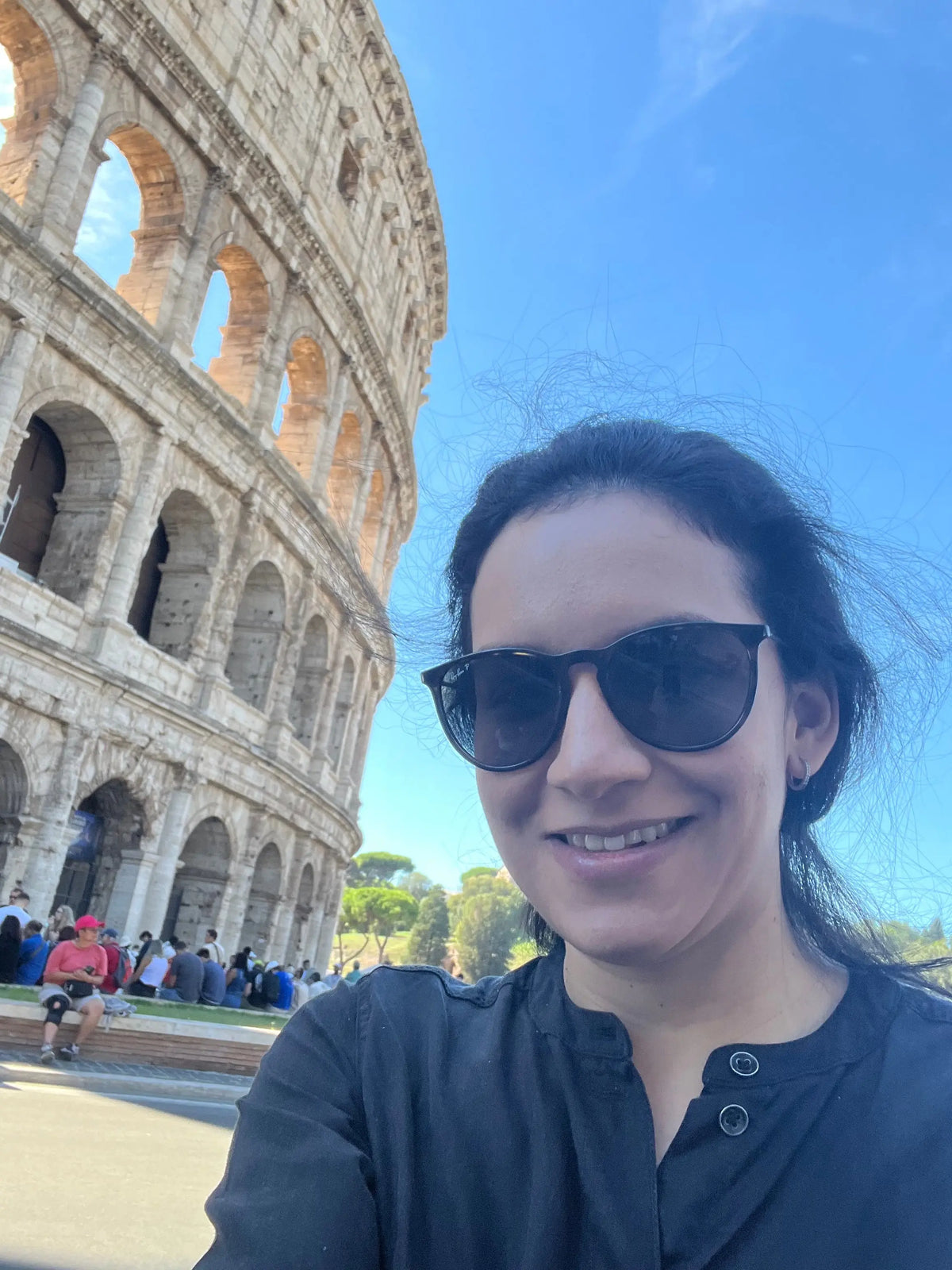
Last year, my family and I went on vacation to Italy. I was very uncertain because I am celiac, and I had dreamed of going to Italy my whole life. Our first stop was Rome. Here, we came to enjoy the food: from fresh pasta, Roman pizza, supplì, tiramisu, ice cream... And if you are celiac, perhaps the first question you ask yourself before traveling is: will I be able to enjoy Italian cuisine without worrying about gluten?
The good news is that Italy is, in general, one of the European destinations best prepared for people with celiac disease. I didn't know this until I found restaurants that have an emblem from La Associazione Italiana Celiachia (AIC), which has its Alimentazione Fuori Casa (AFC) program, bringing together establishments specifically trained to offer gluten-free options. For international travelers, there's even a temporary version of their app, AIC Mobile Welcome, available for 15 days (I didn't know this either).
However, being celiac isn't just about ordering a dish that "doesn't contain flour." Cross-contamination also matters. That's why a little travel planning can make the difference between a relaxing vacation and having to worry about every meal.
How to prepare your trip to Rome if you are celiac
1. Research restaurants before traveling
One of the best strategies is to decide on some restaurants for the most important meals of the trip in advance.
The AIC recommends checking their establishments adhering to the AFC program, as the association warns that not all external directories or establishments using a "gluten-free" symbol are necessarily included in their official network.
My advice for you is to organize and make reservations according to the areas you have planned for each day, especially if you're going to spend the whole day sightseeing. Rome is huge, and you might not want to cross the city just to eat.
2. Learn two magic words: "senza glutine"
In Italy, the phrase you need to remember is:
"Sono celiaco/a. Senza glutine, per favore."
That is: "I am celiac. Gluten-free, please."
Saying you are celiac is not the same as simply indicating that you prefer to eat gluten-free. If you have celiac disease, make it clear that you also need to avoid cross-contamination.
If you have doubts, you can carry a small card written in Italian explaining that you need a strictly gluten-free diet.
3. Don't assume something is safe just because it doesn't contain wheat
Be very careful with this! A dish may not contain wheat as an ingredient and still not be suitable for a celiac person.
This is especially important with:
- French fries prepared in shared fryers;
- pasta cooked in shared water;
- pizza prepared on contaminated surfaces;
- sauces and broths;
- cured meats and processed products;
- desserts;
- ice creams and their toppings.
The AIC recommends paying special attention to foods considered "at risk" and seeking clear guarantees that they are "senza glutine".
4. Book in advance
Rome is a very touristy city, and some of the most popular gluten-free restaurants can fill up quickly.
When booking, indicate again that you are celiac. The AIC itself recommends communicating celiac-related needs at the time of booking.
5. Organize your visits by neighborhood
A good way to enjoy Rome without turning the search for food into an impossible mission is to group restaurants and visits.
For example:
- Vatican + Prati: perfect for combining tourism with restaurants like New Food Experience or La Soffitta Renovatio.
- Trastevere: ideal for ending the day at Mama Eat.
- Historic center + Piazza Navona: you can combine the Pantheon, Piazza Navona, and a meal at Risotteria Melotti.
- Campo de' Fiori: a good area to look for gluten-free pizza and then continue to Piazza Navona or the Pantheon.
Rome is a fantastic destination for celiac travelers
For us celiacs, it requires a little more planning, but Rome shows that eating gluten-free doesn't have to mean eating boring, so don't worry, there are many options.
From pizza and pasta to risotto, desserts, and baked goods, the specialized offerings are much broader than many travelers imagine. The AIC itself points out that Italy has an extensive network of establishments trained within its out-of-home eating program.
However, the situation of each restaurant can change, so before traveling, it's advisable to check the latest information, confirm opening hours, and directly ask about protocols for celiacs.
And remember: just because a restaurant appears in a guide, on Google, or on a "gluten-free" list does not replace verifying safety measures. For a person with celiac disease, cross-contamination is as important as the ingredient itself.
Rome awaits you. I hope you enjoy the dolce vita as much as I did 🇮🇹❤️
💬 Comentarios (0)
Sé el primero en comentar este artículo.