Myths about gluten-free food during pregnancy: my personal experience
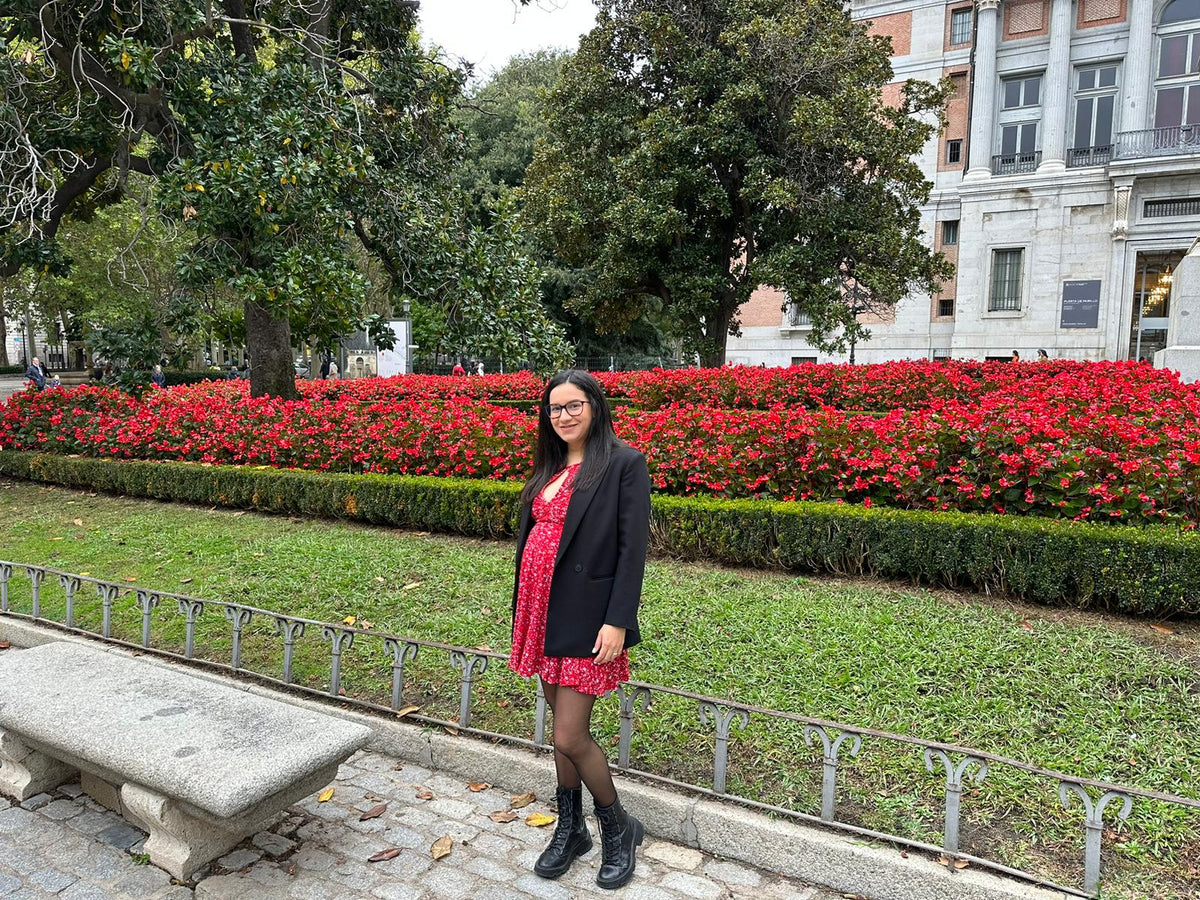
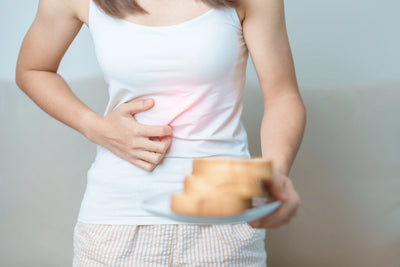
During pregnancy, there are many myths about gluten-free diets. In this article, I share my personal experience after maintaining a 100% gluten-free diet throughout my entire pregnancy and debunk some common beliefs. My daughter was born healthy, is growing normally, and consumes gluten without any issues. Additionally, we explain what scientific evidence says about gluten during pregnancy and why the truly important thing is to maintain a balanced and well-planned diet.
When I got pregnant, one of the questions I heard most often was:
"And won't the baby be missing something if you don't eat gluten?"
It's a very common doubt and is surrounded by many myths. As the founder of Wild Gluten Free and someone who follows a gluten-free diet, I want to share my experience and clarify some ideas that continue to generate confusion.
Myth 1: Eating gluten-free during pregnancy is harmful to the baby
This is probably the most widespread myth.
The reality is that gluten is not an essential nutrient. It is a protein found in cereals such as wheat, barley, and rye. What is important during pregnancy is not to consume gluten, but to eat a balanced, varied diet rich in all the nutrients the baby needs.
If a woman must follow a gluten-free diet, due to celiac disease, gluten sensitivity, or a well-planned personal decision, she can have a completely normal pregnancy, as long as her nutritional needs are met.
Myth 2: If the mother doesn't eat gluten, the baby won't be able to eat it
This is another one of the comments I heard most during my pregnancy.
In my case, throughout my entire pregnancy, I consumed absolutely no gluten. My diet was 100% gluten-free from start to finish.
The result?
My daughter was born completely healthy, has grown normally, and eats gluten with absolutely no adverse effects. She does not have celiac disease or any type of gluten intolerance.
Of course, this is my personal experience and does not mean that the mother's diet determines whether a child will develop celiac disease or not. We know that genetic factors and other much more complex mechanisms are involved.
Myth 3: A gluten-free diet is always less nutritious
Not necessarily.
As with any type of diet, it all depends on how it is planned.
A diet based on fresh foods such as fruits, vegetables, legumes, eggs, fish, meat, nuts, rice, quinoa, corn, or potatoes can provide all the necessary nutrients during pregnancy.
The problem is not removing gluten, but replacing healthy foods with ultra-processed products, whether they contain gluten or not.
Myth 4: Eating gluten during pregnancy prevents celiac disease in the baby
Currently, there is no scientific evidence to show that consuming more or less gluten during pregnancy prevents or causes celiac disease in children.
For years, different theories were proposed about the ideal time to introduce gluten or about maternal diet, but the most recent studies indicate that these factors do not seem to significantly modify the risk of developing celiac disease.
The quality of nutrition is what matters
Beyond gluten, during pregnancy, what is truly important is:
- Consuming a varied and nutritious diet.
- Meeting the vitamin and mineral needs indicated by the healthcare professional.
- Maintaining good hydration.
- Following medical recommendations adapted to each pregnancy.
If you also need or decide to follow a gluten-free diet, you can do so perfectly with good planning.
My reflection as a mother
During my pregnancy, I heard a lot of advice, opinions, and phrases like: "a little bit of gluten won't hurt" or "the baby needs you to eat everything."
However, I remained faithful to my gluten-free diet for all nine months. Today I can say that my daughter is healthy, grows up happy, and enjoys all kinds of foods, including gluten, without any problems.
My story is not intended to prove a universal rule, but to recall something very important: a well-planned gluten-free diet can be part of a healthy pregnancy.
Every pregnancy is different, and it is always advisable to have follow-up with a gynecologist or dietitian-nutritionist when there are specific needs.
At Wild Gluten Free, we will continue to share information based on both experience and evidence, because we believe that a gluten-free diet should not be lived with fear, but with knowledge and peace of mind.
💬 Comentarios (0)
Sé el primero en comentar este artículo.