How to store gluten-free bread and keep it fresh for longer
Mariana Cabeza·01 August 2026· 3 min de lectura
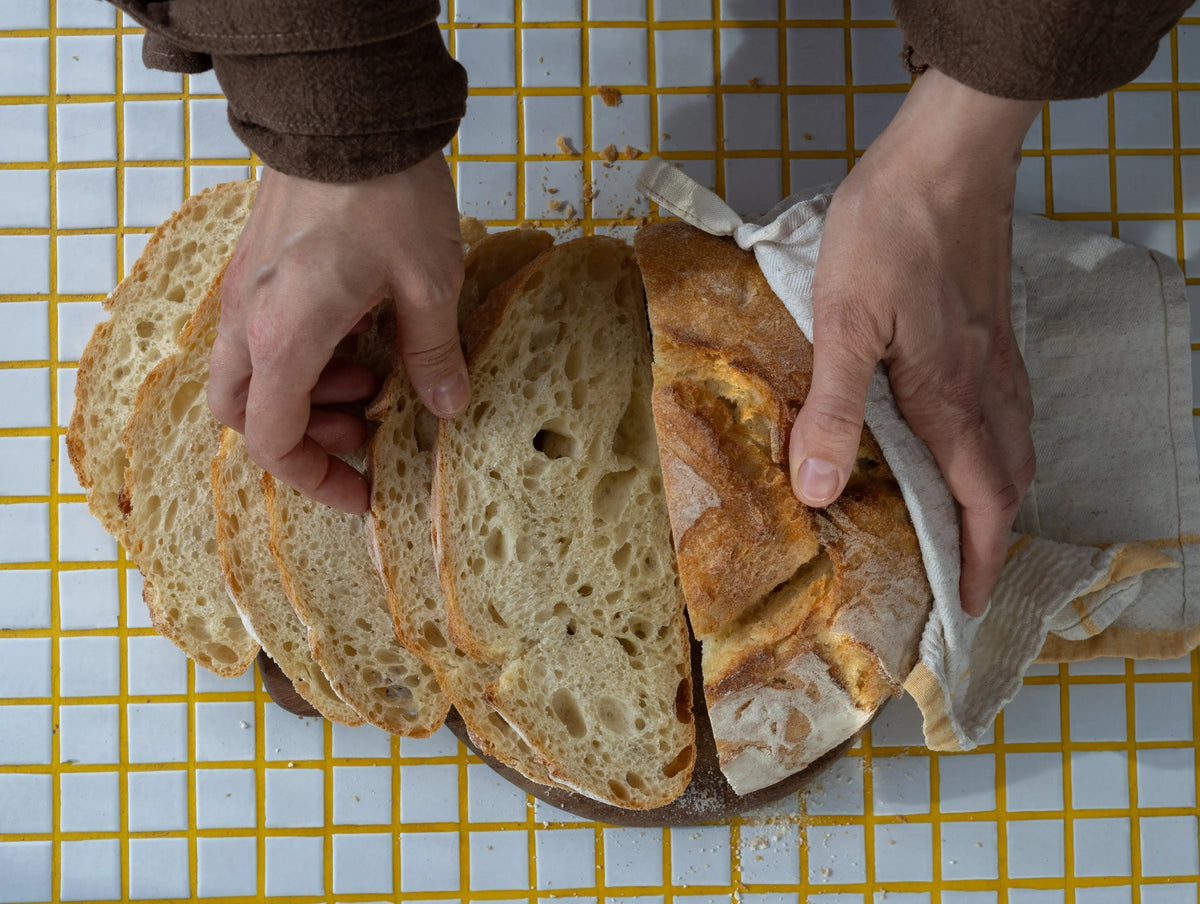
Pan de hogaza sin gluten

Did you know that gluten-free bread can stay fresh longer with proper storage? Discover practical tips to store it, freeze it, and enjoy soft, delicious bread for more days.

It has surely happened to you, as it has to me, that after baking, you don't know what to do with the leftover bread. In this article, I tell you how to learn techniques to make your bread last longer and stay soft.

Nothing compares to the aroma and taste of freshly baked bread. However, if you have ever prepared or bought gluten-free bread, you have probably noticed that it can dry out faster than traditional bread. The good news is that, with a few simple steps, you can keep it fresh and delicious for several days.

In this guide, we share the best tips for preserving gluten-free bread and enjoying it as if it were freshly made.

Why does gluten-free bread dry out faster?

Unlike bread made with wheat flour, gluten-free bread does not contain gluten, the protein responsible for providing elasticity and helping to retain moisture.

Gluten-free mixes are often made with flours and starches like rice flour, potato starch, or tapioca starch, which tend to lose moisture more quickly. As a result, the bread can harden sooner if not stored correctly.

This is completely normal and does not mean the bread is of lower quality.

Let the bread cool completely

One of the most common mistakes is to store bread when it is still warm.

Although tempting, the steam that remains inside creates humidity within the container, which can affect the texture and promote mold growth.

Ideally, let the bread cool on a rack for at least one or two hours before storing it.

Store it in an airtight container

Once cool, place the bread in a tightly sealed bag or container to prevent it from losing moisture.

The best options are:

  • Reusable bags with airtight seals.
  • Glass or plastic containers with lids.
  • Special bread bags.

Avoid leaving it exposed to the air, as it will harden much faster.

Refrigerator or room temperature?

Many people believe that the refrigerator helps preserve bread better, but in reality, it often speeds up the hardening process.

If you plan to consume it in the next two or three days, it is preferable to keep it at room temperature in a cool, dry place, away from direct sunlight.

Only consider refrigerating it if the climate is very warm or humid and there is a risk of mold appearing quickly.

Freezing is the best option

If you have prepared a large loaf or know that you won't consume it in a few days, freezing it is the best alternative.

It is recommended to:

  • Slice the bread before freezing it.
  • Separate the slices with parchment paper if desired.
  • Store it in a freezer-safe bag, removing as much air as possible.

This way, you can take out only the portions you need.

How to defrost it

To regain a pleasant texture, you can:

  • Leave the slice at room temperature for a few minutes.
  • Heat it directly in the toaster.
  • Place it in the oven for a few minutes.

In many cases, the bread regains practically the same texture it had the day it was baked.

Avoid these mistakes

To better preserve your gluten-free bread, try to avoid these practices:

  • Storing it when it is still warm.
  • Leaving the bag open.
  • Refrigerating it unnecessarily.
  • Freezing it without protecting it from the air.
  • Exposing it to the sun or near heat sources.

Small changes can make a big difference in its freshness.

Good bread starts with a good mix

In addition to proper preservation, the quality of the mix directly influences the final result.

At Wild Gluten Free, we developed our Gluten-Free Bread Mix to help you get a soft, fluffy, and delicious bread from the very first bake, ideal for breakfasts, toast, or sandwiches.

If you also store it following these tips, you can enjoy it for longer without losing flavor or texture.

Conclusion

Preserving gluten-free bread is simpler than it seems. Just let it cool completely, store it in an airtight container, and freeze it if you won't be consuming it within a few days.

With these habits, you can reduce waste, maintain a better texture, and always enjoy the pleasure of good homemade bread.

💬 Comentarios (0)

Sé el primero en comentar este artículo.

Tu email no se publicará. Los comentarios se revisan antes de aparecer.